
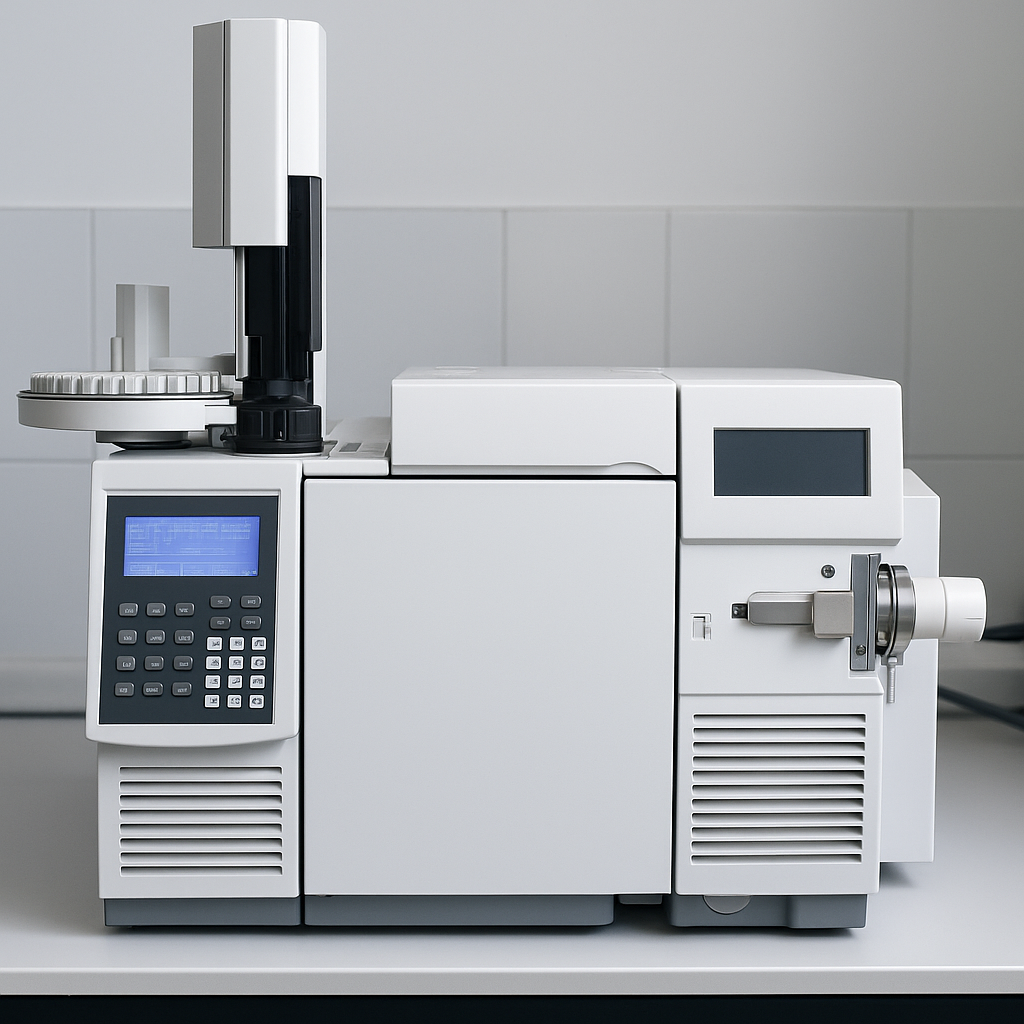
GC-MS (Gas Chromatography- Mass Spectrometry)
GC-MS is an analytical technique that combines gas chromatography (GC) and mass spectrometry (MS) to identify and quantify substances in a sample. It's widely used in various fields, including energy, materials science, environment, food, and forensics.
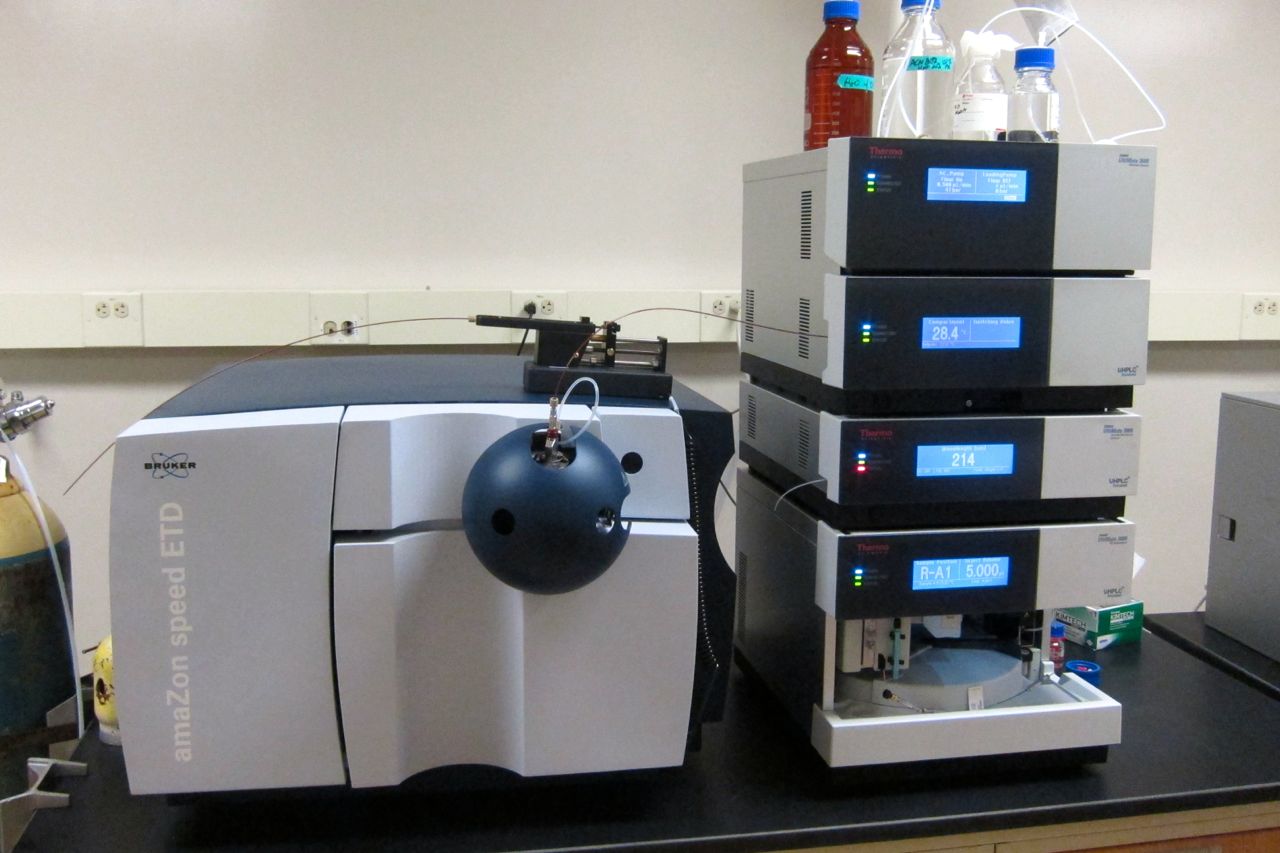
LC-MS (Liquid Chromatography-Mass Spectrometry)
LC-MS (Liquid Chromatography-Mass Spectrometry) is an analytical technique that combines the separation capabilities of liquid chromatography (LC) with the mass analysis capabilities of mass spectrometry (MS). It's used to identify and quantify compounds in a sample based on their mass-to-charge ratio (m/z).
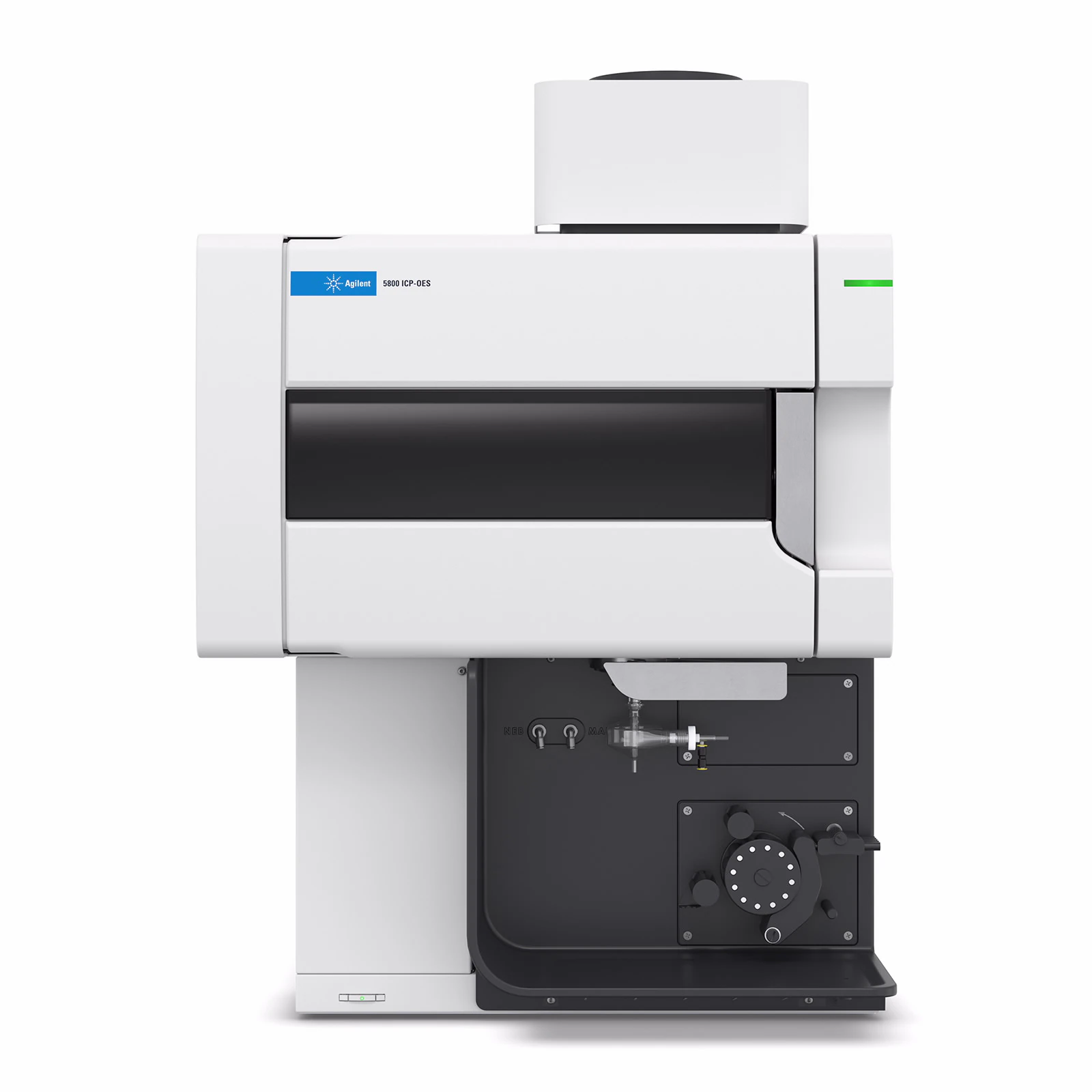
ICP-OES (Inductively Coupled Plasma Optical Emission Spectroscopy)
ICP_OES is a widely used analytical technique for determining the elemental composition of samples. It works by exciting atoms in a high-temperature plasma and measuring the light emitted when they return to their ground state. This light emission is characteristic of the specific elements present in the sample, allowing for their identification and quantification.
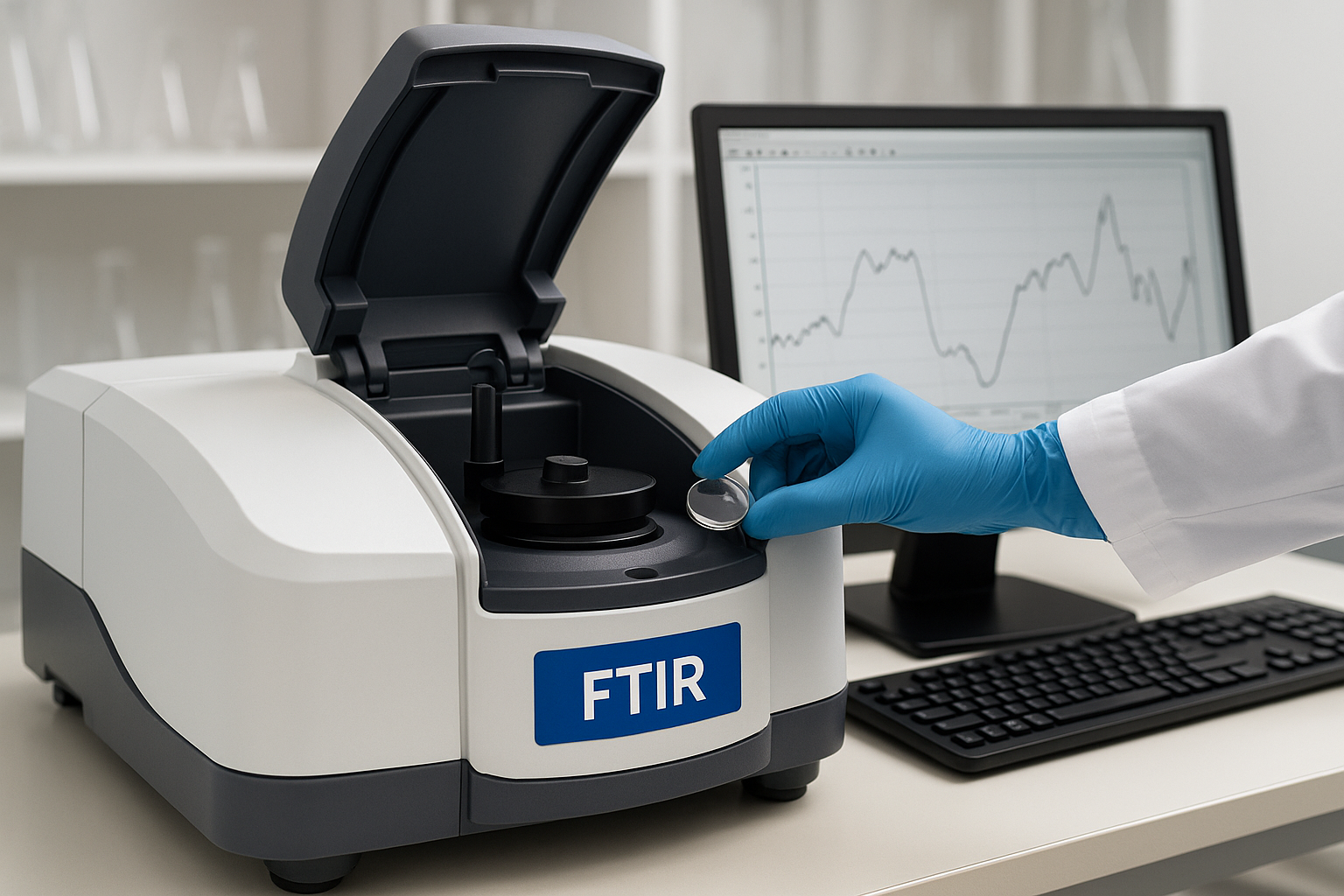
FTIR (Fourier Transform Infrared Spectroscopy)
FTIR is a versatile analytical technique that provides information about the structure and composition of materials by analyzing their interaction with infrared light. It's widely used in various fields for identifying unknown compounds, monitoring reactions, and analyzing the composition of complex mixtures.
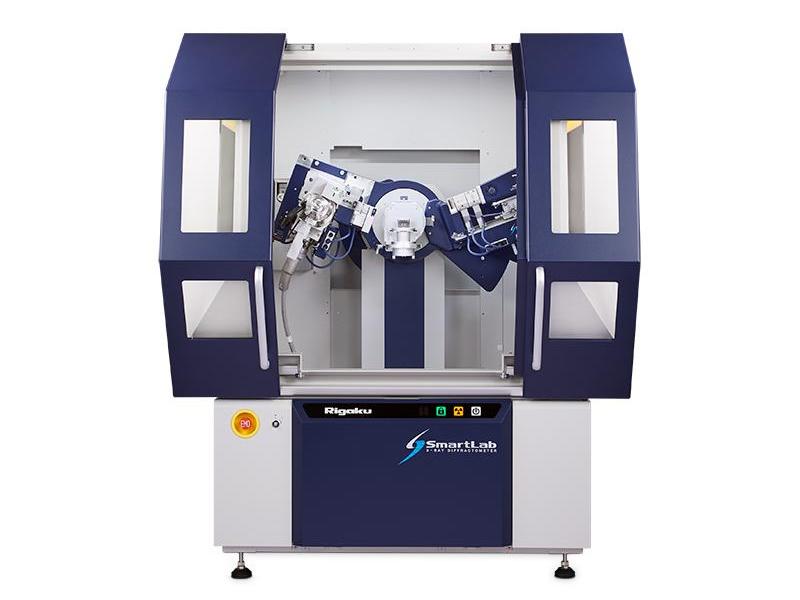
XRD (X-ray diffraction)
XRD is a versatile non-destructive analytical technique used to analyze physical properties such as phase composition, crystal structure and orientation of powder, solid and liquid samples. Many materials are made up of tiny crystallites.
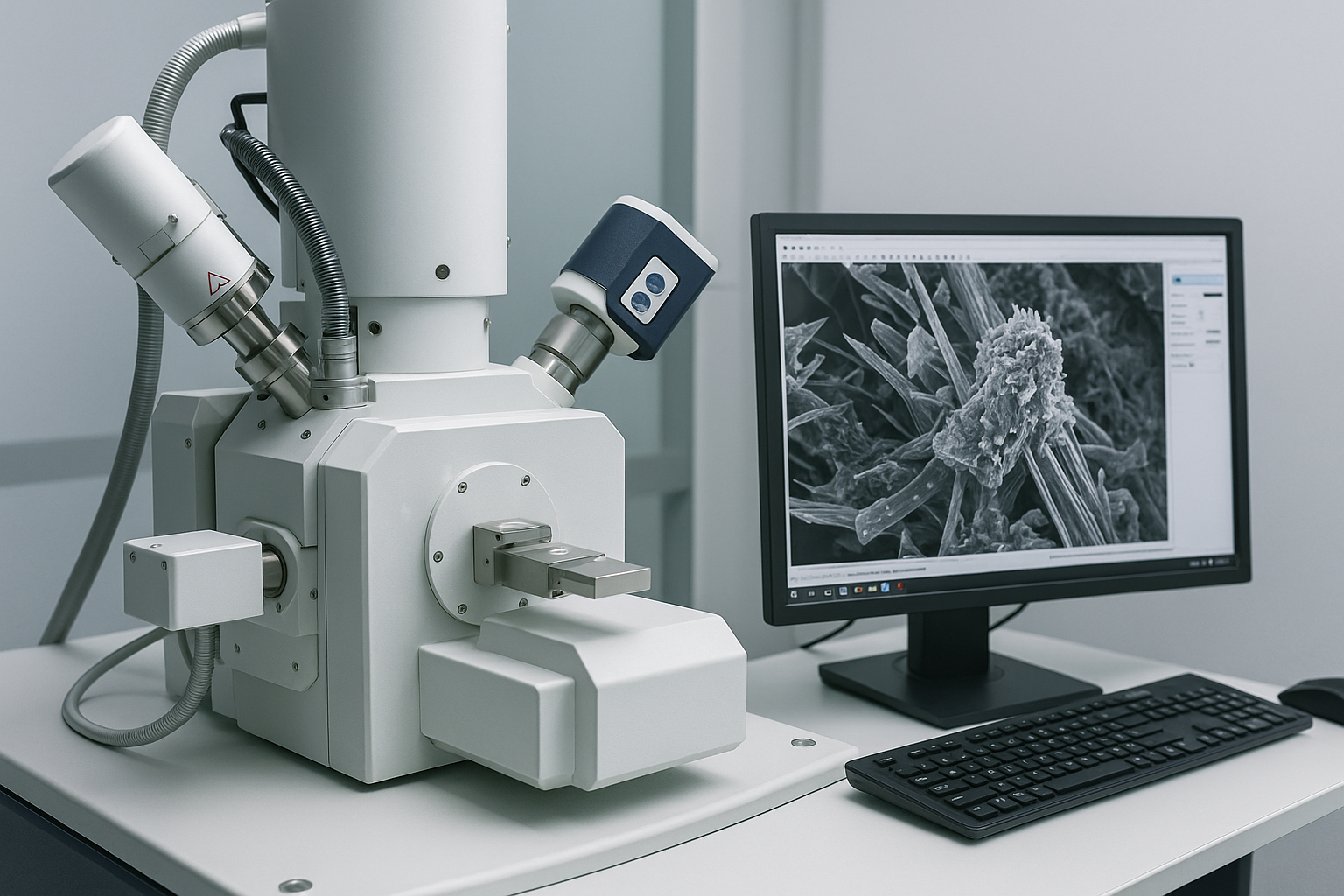
SEM (Scanning Electron Microscope)
A scanning electron microscope (SEM) projects and scans a focused stream of electrons over the surface of a sample and collects the different signals produced using specialized detectors.
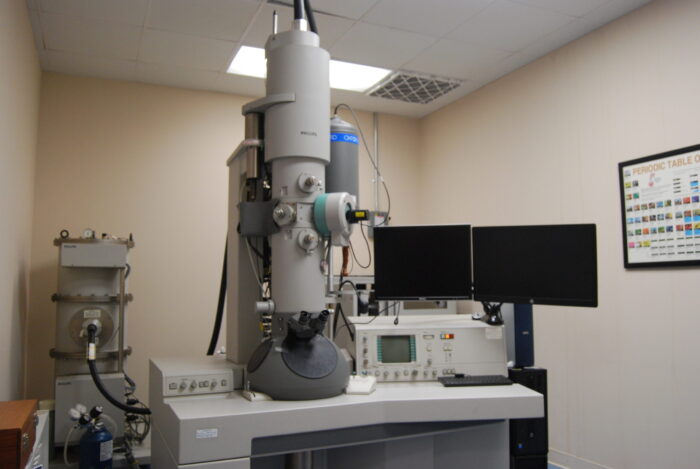
TEM (Transmission Electron Microscopy)
TEM is a technique of imaging the internal structure of solids using a beam of high-energy electrons transmitted through the solid. This arrangement can be compared to the basic optical microscope with transmission illumination (sometimes called a biological microscope).
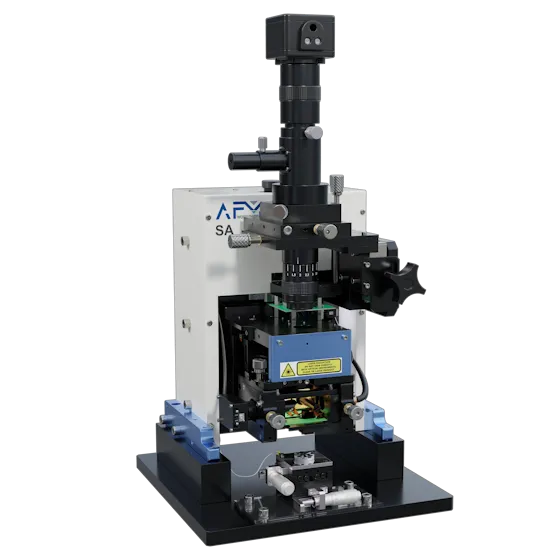
AFM (Atomic Force Microscopy)
AFM is a scanning probe microscopy technique that uses a sharp tip to scan a sample's surface, creating a 3D topographical image with atomic or nanometer-scale resolution. It can also be used to measure and manipulate matter at the nanoscale.
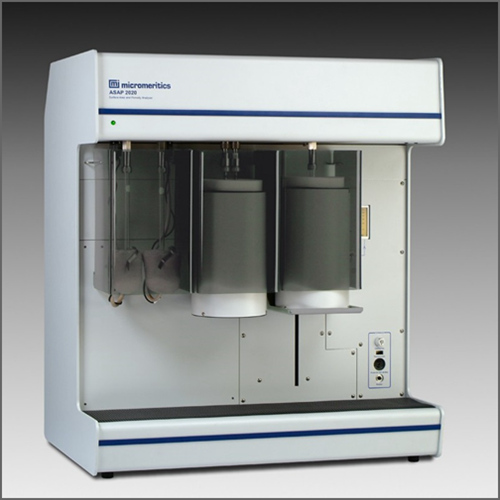
BET (Brunauer-Emmett-Teller) Analysis
BET analysis is a technique used to measure the specific surface area of materials, particularly powders and porous solids. It's based on the principles of gas adsorption, where a gas, usually nitrogen, is adsorbed onto the surface of the material, and the amount adsorbed is measured at low temperatures.